1) How will I know if my child needs support?
It’s natural to have questions about your child’s communication. You might have a small concern, notice something that feels different, or receive feedback from nursery, school, or another professional that has prompted questions.
A conversation with a Speech and Language Therapist can provide clarity and reassurance. During our free initial chat, we’ll listen carefully, explore what you’ve noticed, and help you understand whether your child’s communication is developing as expected or whether further assessment would be helpful.
2) What happens in an assessment?
Before the assessment, we’ll ask you to complete a short parent information form so we can understand your child’s background, daily life, and what matters most to you.
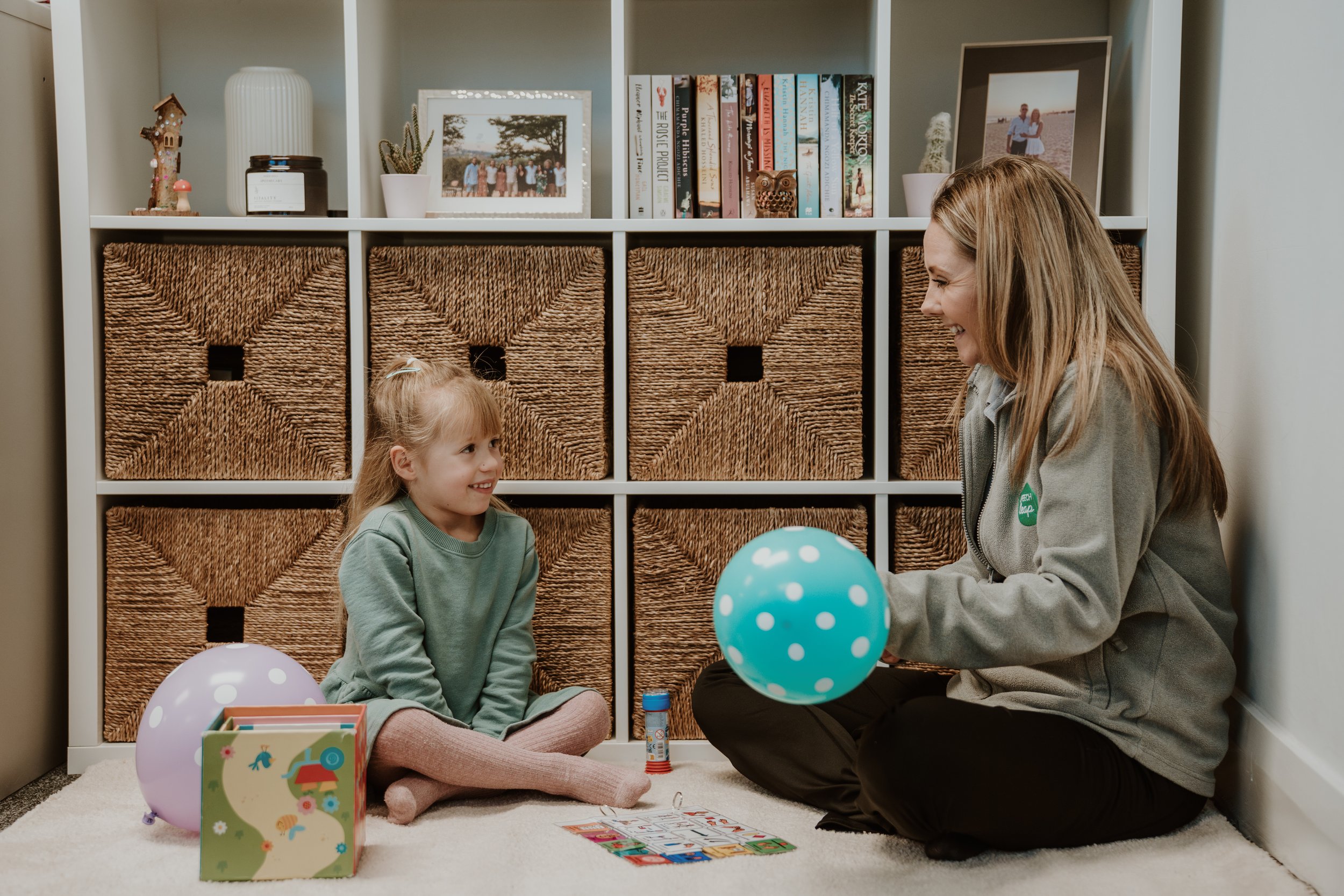
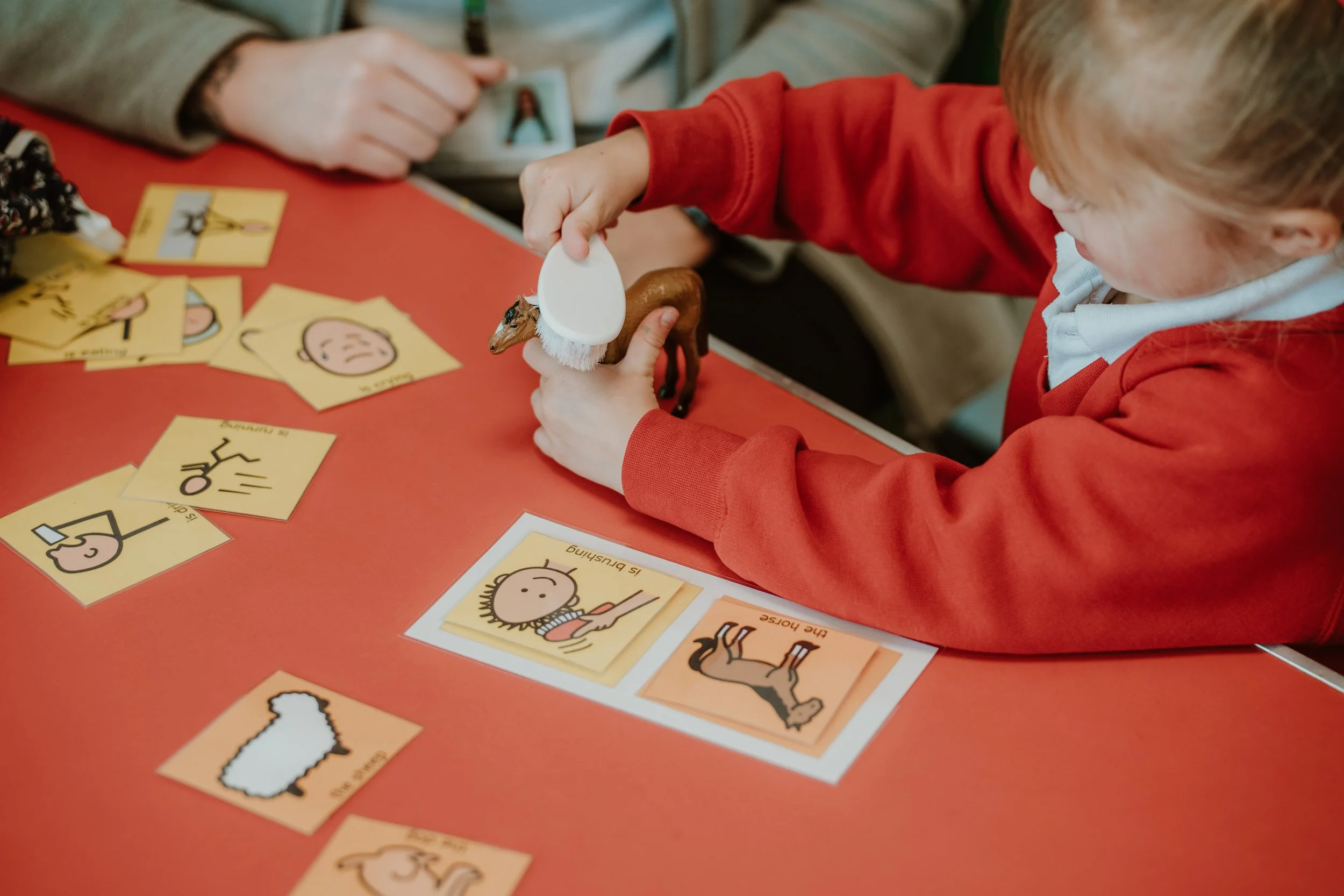
During the assessment, we’ll get to know your child through play, conversation, and carefully chosen activities. We aim to make the assessment engaging and positive, helping your child feel comfortable and understood.
Where helpful, we may observe your child at home or in nursery or school and gather insight from other key adults to build a full picture of their communication.
Afterwards, you’ll receive a clear summary report outlining your child’s strengths, areas of need, and practical next steps.
3) How quickly can my child be seen for an assessment?
We aim to offer assessment appointments as soon as possible, often within one to two weeks of your initial enquiry.
At busy times, we may operate a short waiting list. If this happens, we’ll keep you informed and communicate clearly about likely timeframes.
We know that when you’re concerned about your child, you don’t want to wait longer than necessary.
4) How many therapy sessions will my child need?
Therapy looks different for every child. After the initial assessment, we’ll recommend a plan based on your child’s individual needs and how best to support them.
Some children respond quickly and need only a short period of support. Others benefit from longer-term therapy, particularly where communication needs are more complex. We’ll regularly review progress together and adjust the plan as needed, keeping you informed every step of the way.
5) Where do sessions take place?
We work flexibly and offer sessions at home, in nursery or school, or in our clinic. We’ll always discuss which setting will best support your child and feel manageable for your family.
6) Can my child receive NHS Speech and Language Therapy as well as private therapy?
Yes. Many families choose to access both NHS and private Speech and Language Therapy. The two can work well alongside each other, particularly where additional or more frequent support is helpful.
We’re always happy to liaise with your NHS therapist (with your consent) to ensure a joined-up approach. Sharing goals, strategies, and progress helps provide consistent support and the best possible outcomes for your child.
7) What if I need to cancel or rearrange a session?
We understand that children get unwell and family life can be unpredictable.
When booking therapy, families agree to a block of sessions to ensure consistency and secure your therapist’s time. As these appointments are reserved exclusively for your child, missed sessions are still chargeable and are not usually able to be rescheduled.
We appreciate your understanding, as this helps us maintain a consistent, high-quality service for all families.
8) Can I bring my other children to the session?
For clinic and home-based sessions, childcare isn’t always straightforward, and sometimes it may be necessary to bring siblings along.
Where possible, sessions work best when your child has your full attention. However, we do our best to accommodate families when needed.
If you plan to bring other children, or other children will be at home during a session, please let us know in advance. We kindly ask that siblings remain supervised and have something quiet to do, so the session can stay calm and focused.